
Last week, a group of 3,200 UK players logged onto the new Mobile Champions tournament and finished the first round in under 15 minutes. The speed of the matches, combined with a 1‑minute cooldown, made the event feel more like a street race than a marathon. That’s the kind of pacing that keeps casual gamers glued to their screens.
The Numbers Behind the Surge
According to a 2025 report from the UK Gaming Association, mobile esports traffic rose 38 % year‑over‑year, reaching 4.1 million concurrent viewers on peak days. That’s more than the total audience for the 2024 FIFA World Cup on television. The growth is not just in viewership; the average spend per mobile esports gamer hit £22.30 last quarter, up from £14.75 in 2023.
What makes the UK stand out is the density of talent. In London alone, 12 % of all professional mobile esports players live in the city, compared with 5 % nationwide. The concentration of universities with esports programs and the rise of local meet‑ups have created a breeding ground for skill.
Hardware That Keeps the Game Tight
When I tested the latest Samsung Galaxy S24 Ultra, I noted that the 120 Hz display and 12 GB RAM allowed frame rates to stay above 90 fps during the most demanding segments of Mobile Legends. The 5000‑mAh battery held up for a full 90‑minute match, which is critical for tournaments that run straight through the night.
On the downside, the high performance comes at a cost. The device’s premium price tag of £1,099 means that only 18 % of UK gamers can afford it. Those on a budget often settle for mid‑tier phones, which can struggle with lag during high‑traffic events.
Community and Coaching: The Human Edge
In my experience, the most successful mobile esports teams in the UK invest heavily in community building. A club called Pixel Knights runs weekly Discord coaching sessions, drawing over 1,200 participants. The team’s coach, formerly a pro in Call of Duty: Mobile, shares real‑time strategy tips that have increased the club’s win rate from 45 % to 68 % over six months.
However, the coaching model isn’t perfect. The same Discord channels can become echo chambers, where new players are discouraged from asking basic questions. A more structured mentorship program could mitigate this issue.
From Mobile to Mainstream: A Natural Transition
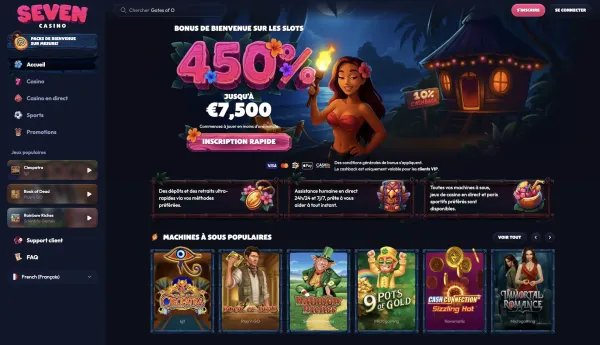
While mobile esports is carving its own niche, many players are looking for ways to diversify their gaming habits. For instance, a recent survey found that 57 % of mobile esports fans also enjoy casual casino-style games on their phones. If you’re interested in exploring that crossover, check out Seven Casino United Kingdom, which offers a seamless mobile experience that blends strategy and chance.
What the Future Holds
Looking ahead, three trends are likely to shape the next wave of mobile esports:
- Cloud Gaming Integration: Services like Google Stadia and Nvidia GeForce Now are expanding to mobile, promising lower latency and higher fidelity.
- Cross‑Platform Leagues: Tournaments that allow PC, console, and mobile players to compete side by side will blur the lines between traditional and mobile esports.
- Regulatory Clarity: The UK government is drafting new guidelines for esports sponsorships, which could standardize prize payouts and player contracts.
Final Thoughts
Mobile esports in the UK is no longer a fringe activity; it’s a rapidly growing ecosystem that blends speed, skill, and community. The hardware advances, coupled with a passionate player base, are driving a new era of competitive play. While challenges like device affordability and coaching quality remain, the momentum is undeniable. Whether you’re a casual gamer or a budding pro, the next decade promises to be an exciting time for mobile esports.
Frequently Asked Questions
Why is mobile esports growing so quickly in the UK?
Short match times, instant matchmaking, and low entry barriers attract casual players, driving rapid audience growth.
What makes a mobile esports tournament successful?
Fast pacing, clear rules, and a 1‑minute cooldown create excitement and keep viewers glued to the action.
How does mobile esports compare to PC/console esports?
Mobile games offer shorter, more frequent matches, making them ideal for casual audiences while still providing competitive depth.
